 Chess Education
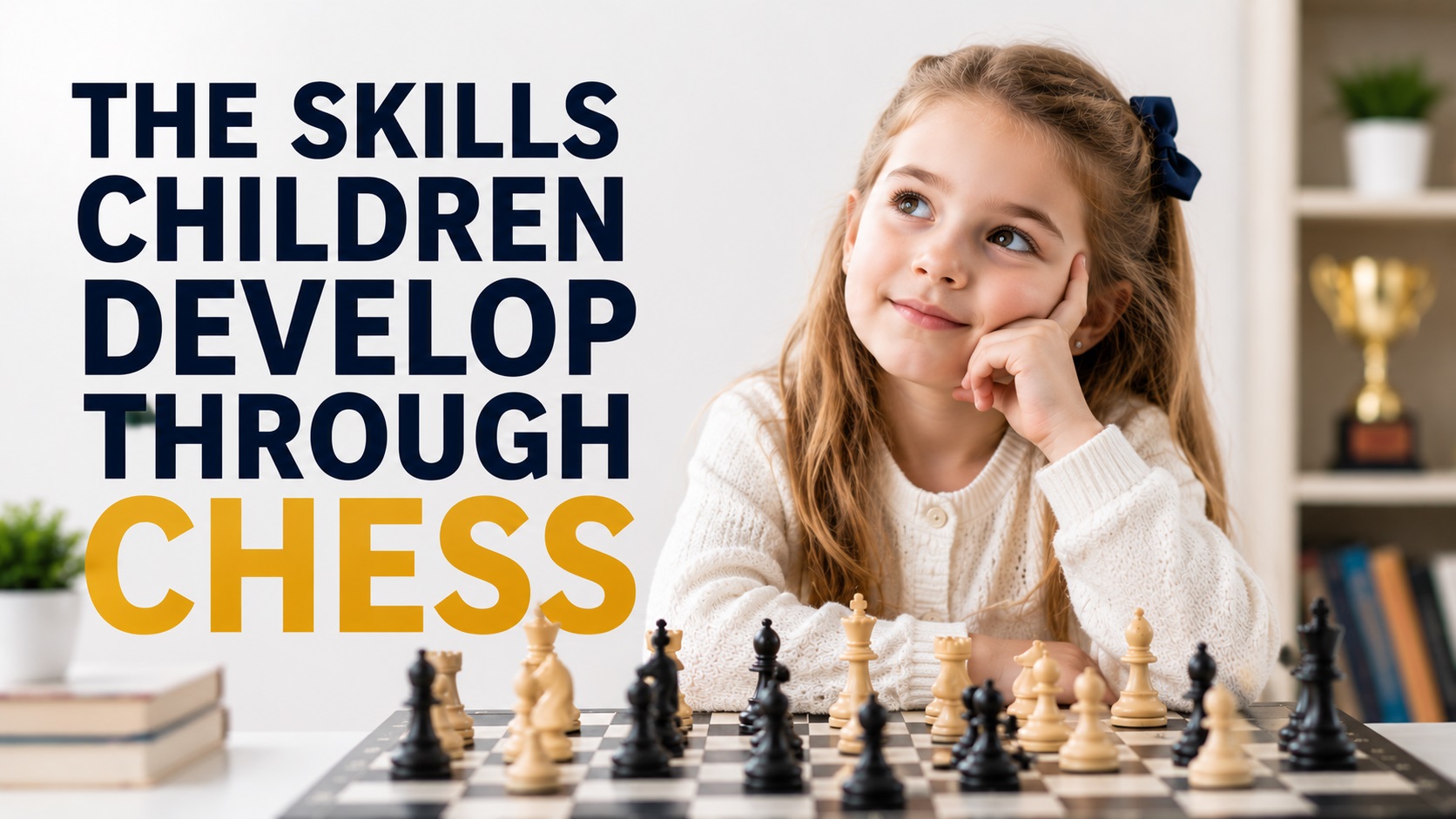
Chess helps children develop a wide range of valuable skills that extend far beyond the board. From critical thinking and problem-solving to patience, concentration, and decision-making, chess supports intellectual growth while building confidence and resilience.
Read Article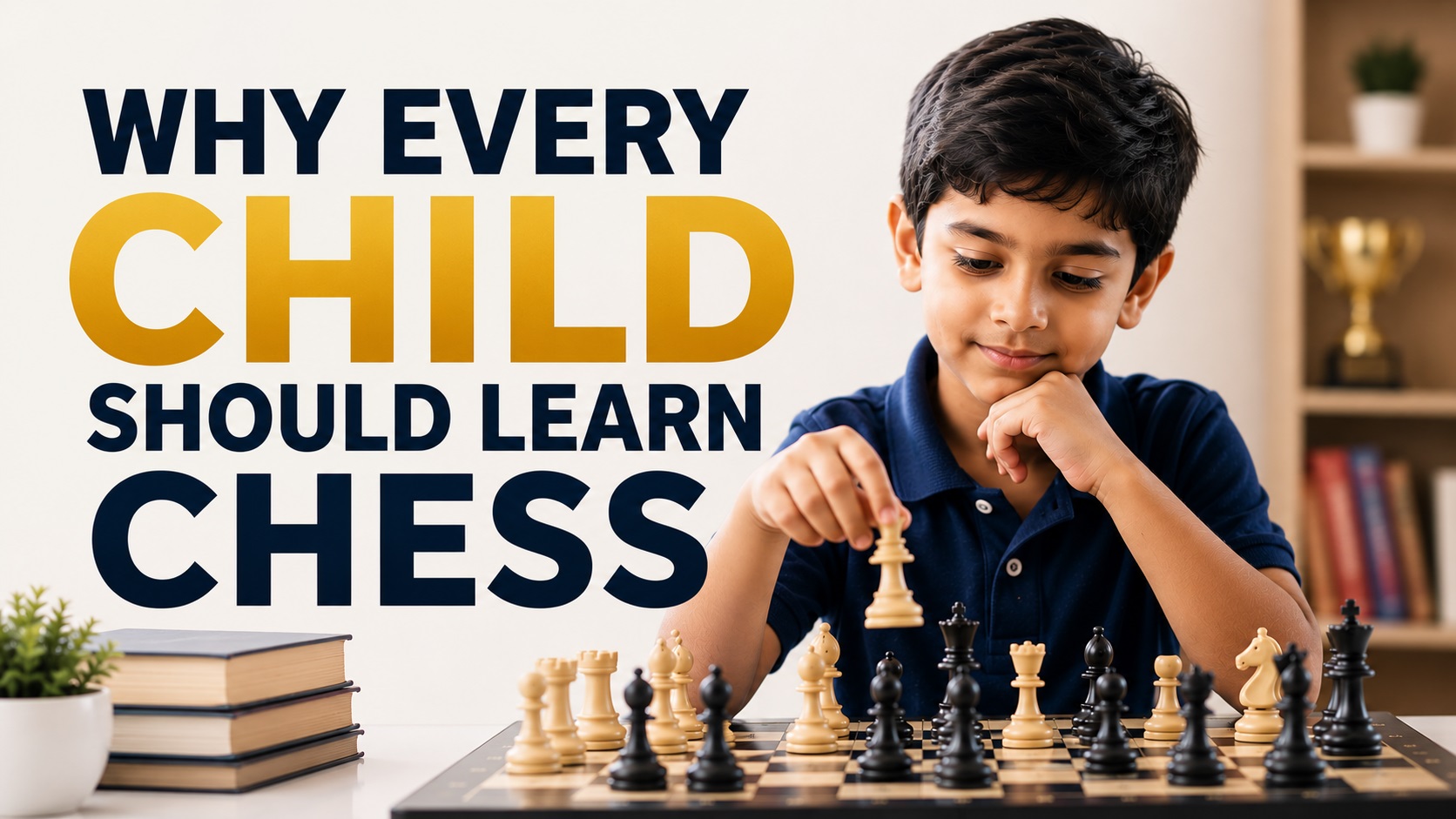 Chess Education
Chess is more than just a game—it is a powerful tool for developing critical life skills. From improving concentration and problem-solving abilities to building confidence, patience, and strategic thinking, chess helps children grow both academically and personally.
Read Article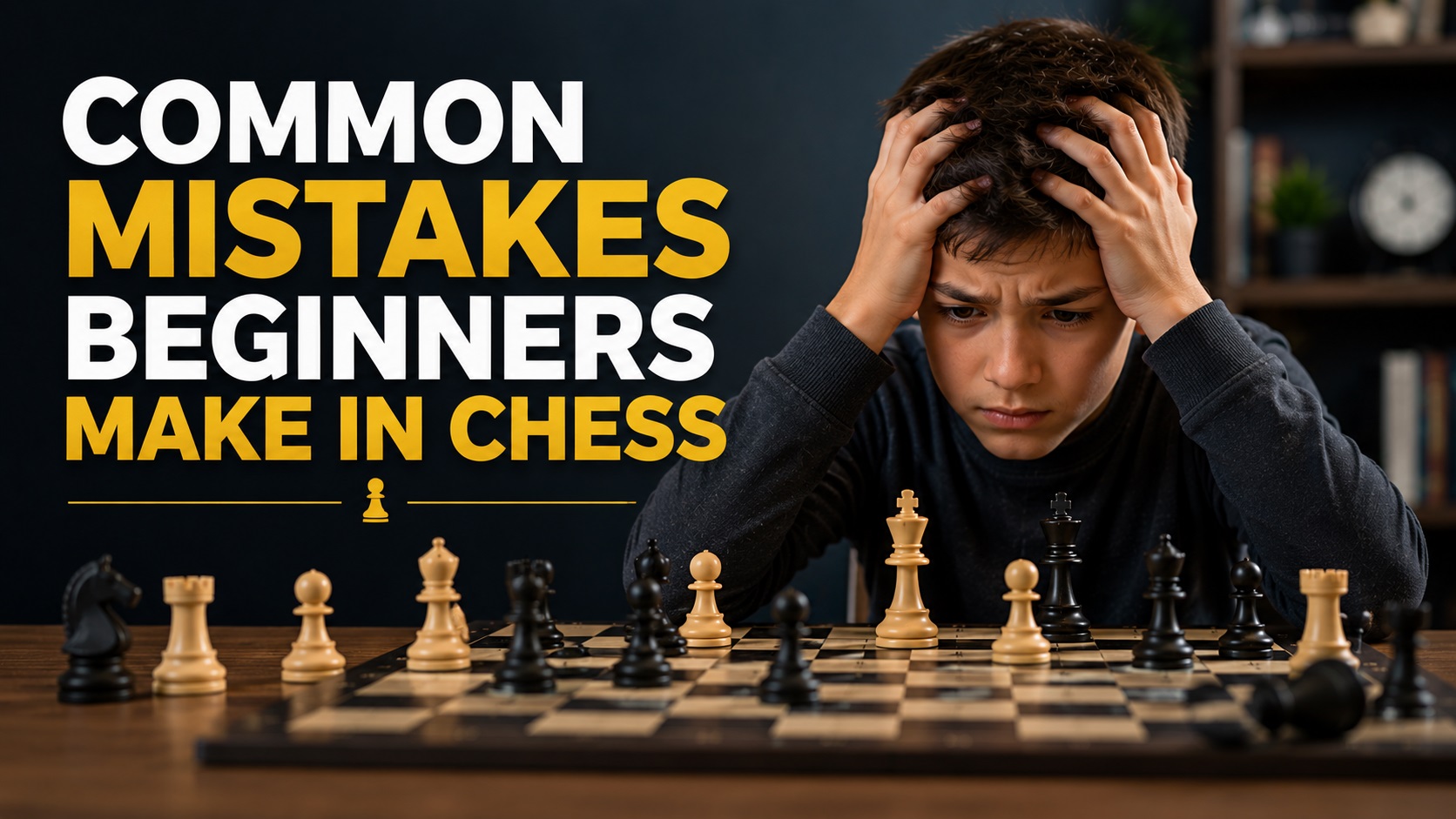 Chess Tips
Every chess player starts as a beginner, and mistakes are a natural part of the learning process. Understanding the most common errors can help new players build stronger fundamentals, avoid unnecessary losses, and improve their decision-making on the board.
Read Article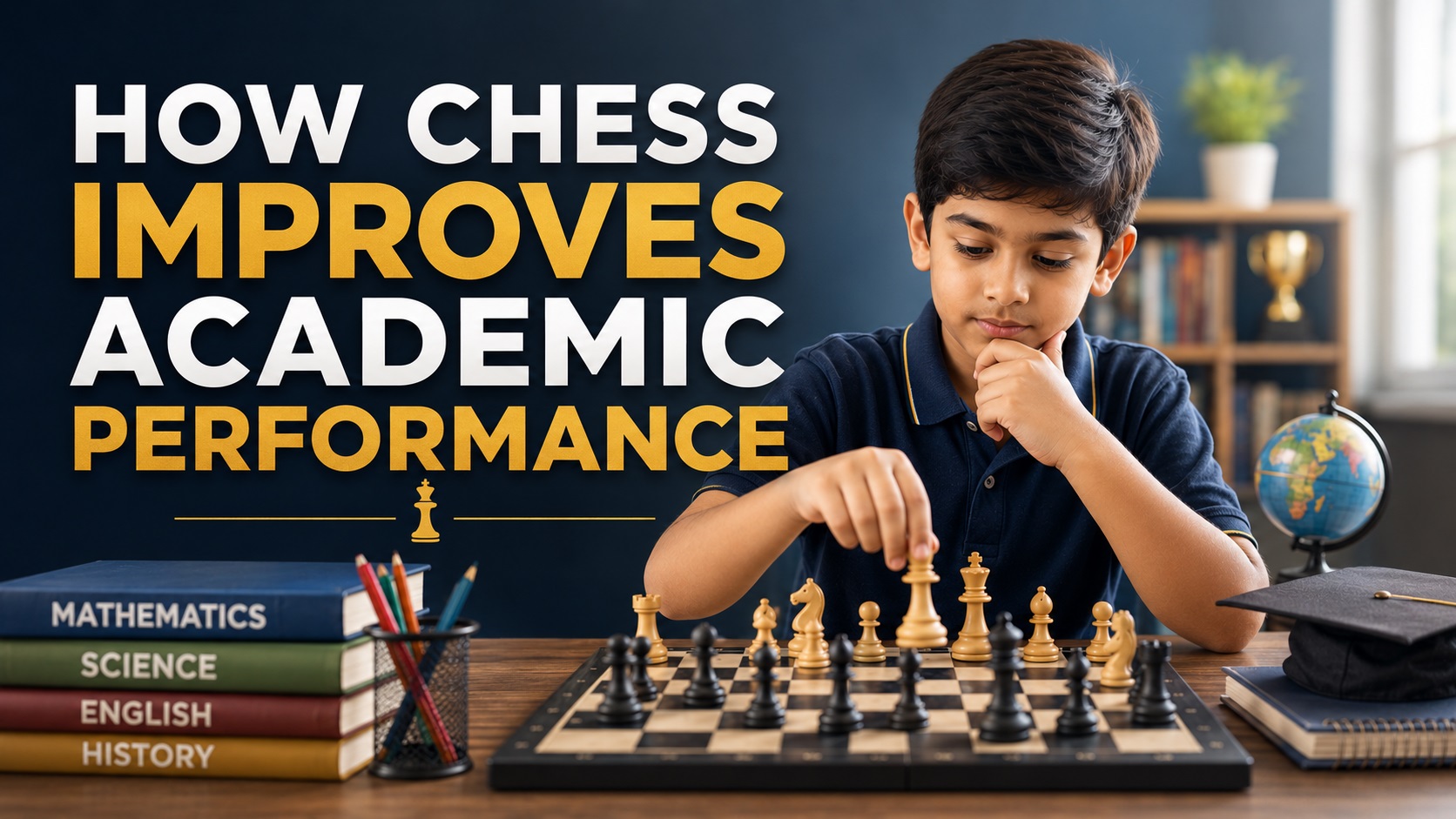 Chess Education
Chess develops essential cognitive skills that support academic success. By strengthening concentration, logical reasoning, problem-solving, memory, and decision-making abilities, chess helps students become more effective learners both inside and outside the classroom.
Read Article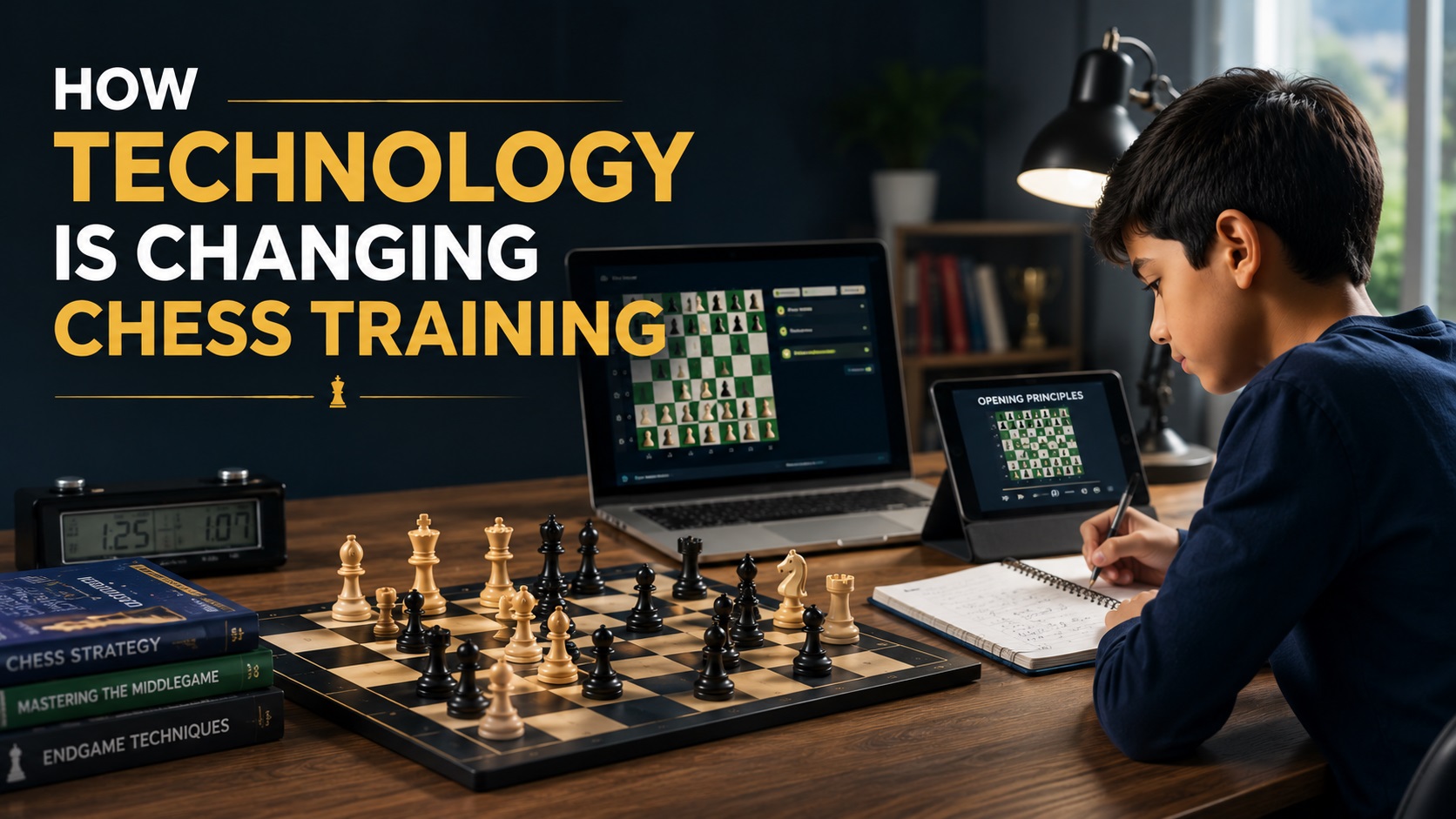 Chess Education
Technology has transformed the way students learn and practice chess. From online lessons and interactive training tools to digital game analysis and global competitions, modern technology has made chess education more accessible, engaging, and effective than ever before.
Read Article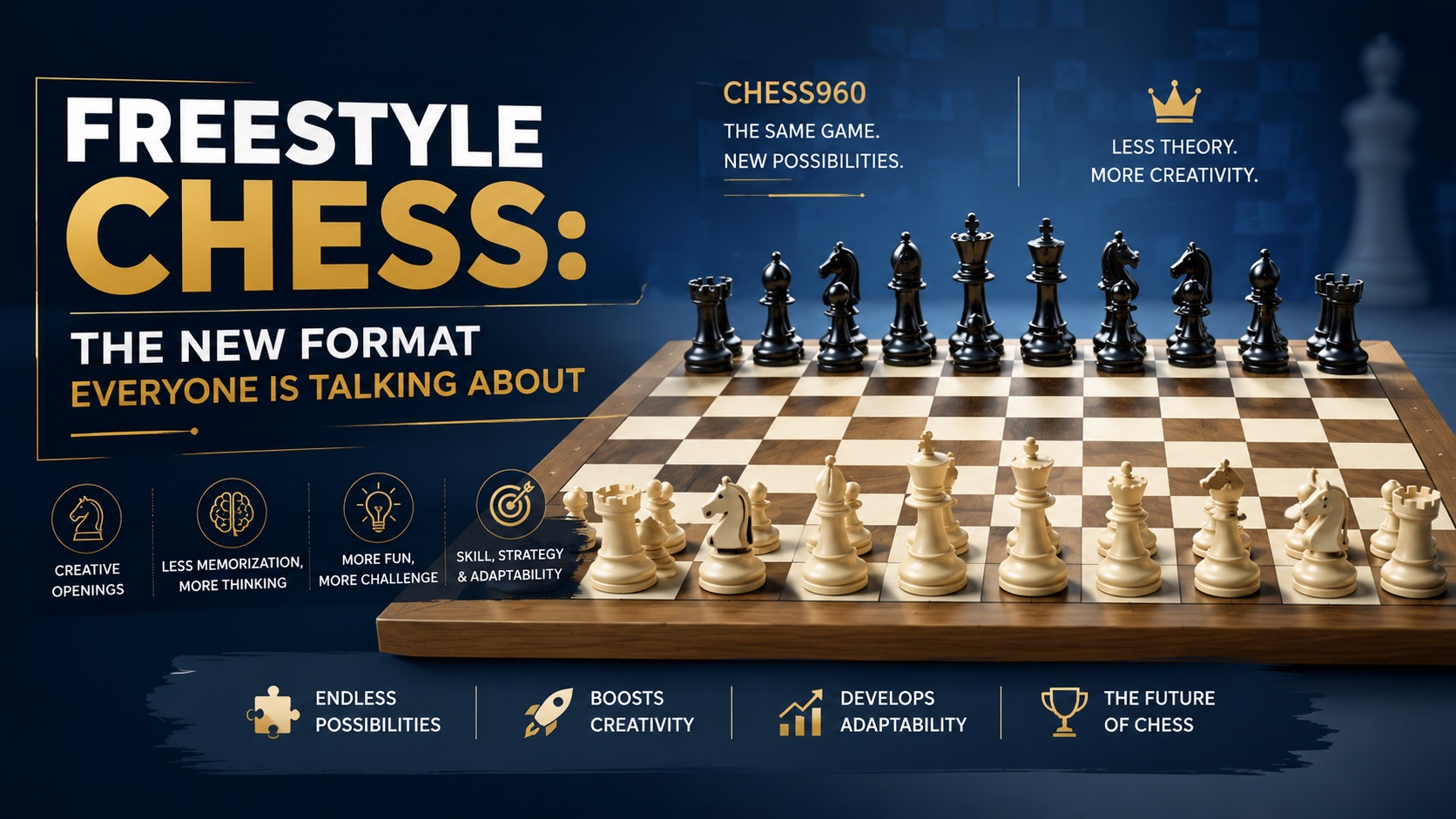 Chess Trends
Discover why Freestyle Chess (Chess960) is gaining worldwide attention. Learn how creative openings, reduced memorization, deeper thinking, and endless possibilities are transforming the way players approach the game while strengthening adaptability and strategic understanding.
Read Article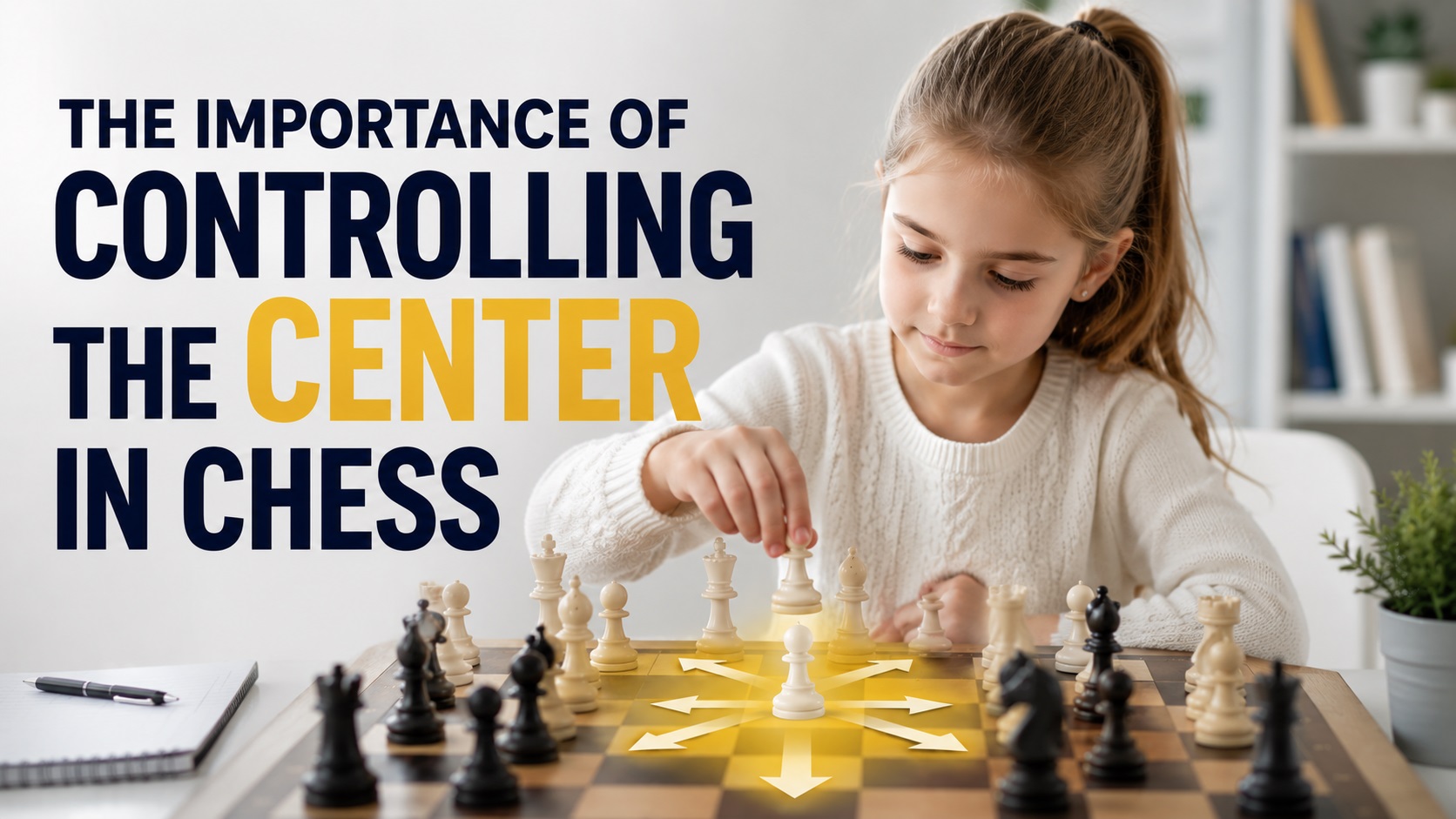 Chess Strategy
Control of the center is one of the most important principles in chess. By influencing the central squares, players gain greater mobility, stronger piece activity, and more opportunities to launch effective plans.
Read Article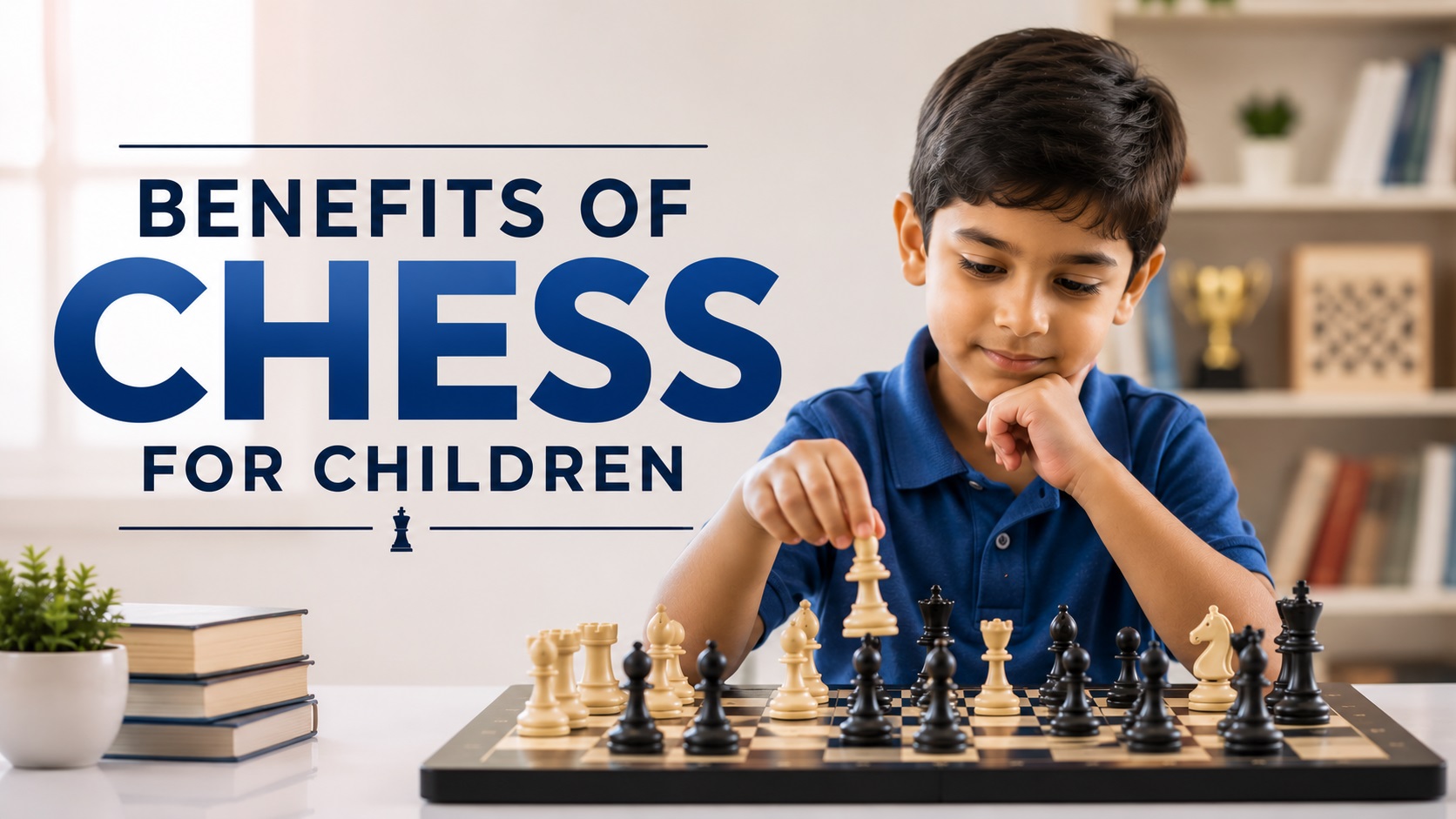 Chess Education
Chess offers far more than entertainment. It helps children develop critical thinking, concentration, patience, confidence, and problem-solving skills while encouraging creativity and disciplined decision-making. Discover how chess supports a child's growth both on and off the board.
Read Article