The Connection Between Chess and Academic Success
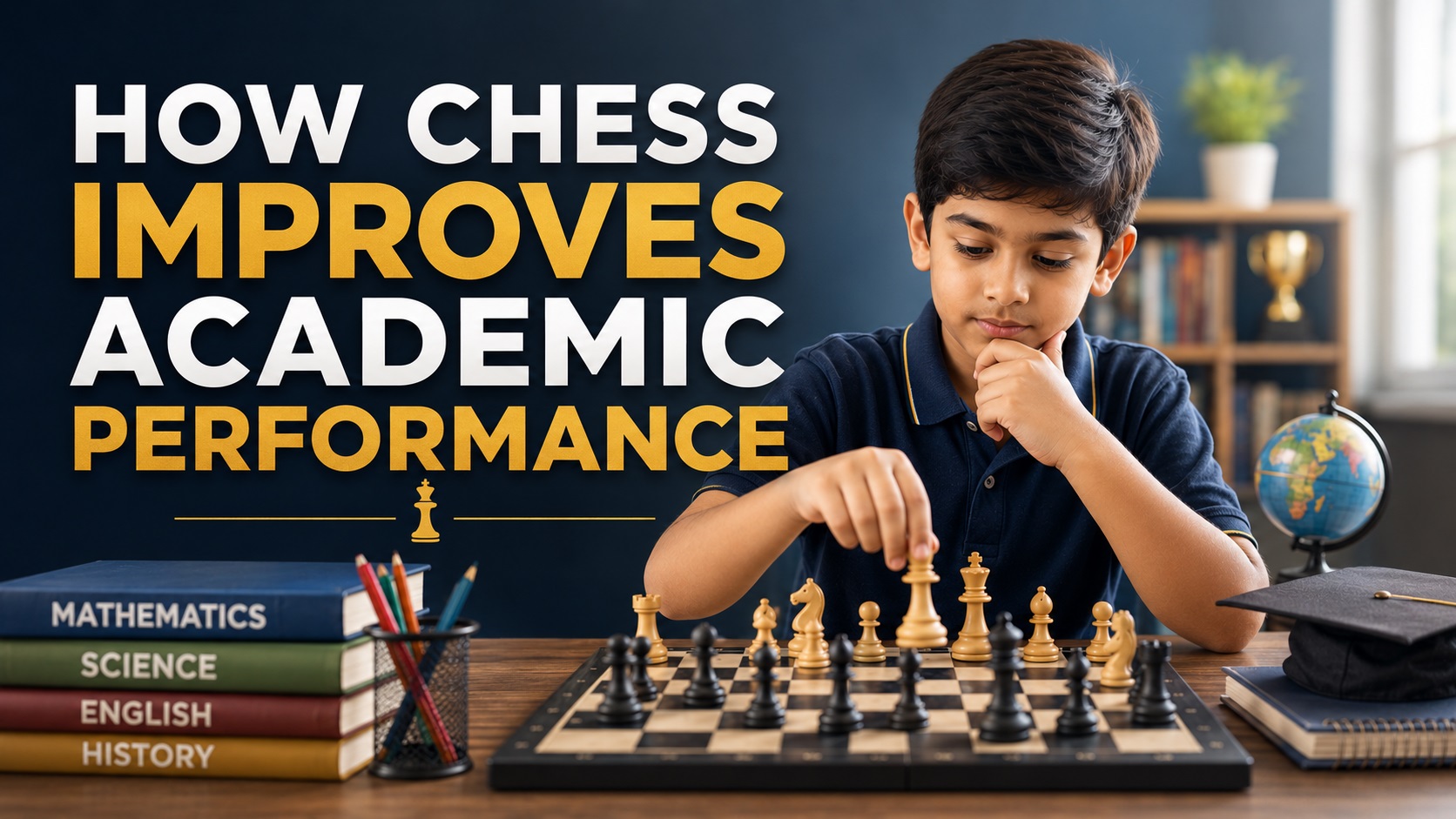
Chess is often recognized as a strategic board game, but its benefits extend far beyond the chessboard. Many of the skills developed through chess are directly connected to learning and academic achievement. From improving concentration to strengthening critical thinking, chess provides students with valuable tools that can support their educational journey.
While chess is not a substitute for studying, it helps students develop habits and thinking skills that contribute to success in the classroom.
Improves Concentration and Focus
Success in chess requires players to pay close attention to the position, analyze possibilities, and remain focused throughout the game. Regular practice encourages students to improve their concentration and maintain attention for longer periods of time.
These skills can be valuable when completing assignments, studying for exams, or participating in classroom activities.
Strengthens Problem-Solving Skills
Every chess game presents a series of challenges that require thoughtful solutions. Students learn how to evaluate situations, identify options, and choose the most effective course of action.
This problem-solving mindset can be applied to many academic subjects where logical thinking and analysis are important.
Develops Critical Thinking
Chess encourages students to think carefully before making decisions. Players must consider consequences, evaluate alternatives, and plan ahead.
These critical thinking skills help students approach academic tasks with greater confidence and understanding.
Enhances Memory and Recall
Learning chess involves remembering patterns, strategies, rules, and concepts. Over time, students strengthen their ability to retain and recall information.
Strong memory skills can support learning across a wide range of educational subjects.
Encourages Logical Reasoning
Chess is built on logic and structured thinking. Players learn to analyze positions objectively and make decisions based on evidence rather than guesswork.
This logical approach can benefit students in mathematics, science, and many other areas of learning.
Promotes Patience and Discipline
Academic success often requires consistent effort and persistence. Chess teaches students that improvement comes through practice, learning from mistakes, and maintaining discipline over time.
These habits can contribute positively to study routines and long-term educational goals.
Builds Confidence in Decision-Making
Every move in chess is a decision. As students gain experience, they become more comfortable making choices, evaluating outcomes, and learning from their results.
This confidence can carry over into classroom participation, independent learning, and everyday problem-solving.
Supports Independent Learning
Chess encourages students to take responsibility for their own progress. Players learn to review games, identify areas for improvement, and develop strategies for growth.
This mindset promotes self-motivation and a lifelong commitment to learning.
Beyond Academics
While many educational benefits are associated with chess, the game also helps students develop important personal qualities such as resilience, patience, confidence, and perseverance. These attributes support success not only in school but in many aspects of life.
Conclusion
Chess helps students develop a wide range of skills that contribute to academic performance, including concentration, critical thinking, logical reasoning, memory, and problem-solving. By encouraging disciplined learning and thoughtful decision-making, chess provides valuable experiences that can support success both inside and outside the classroom.
More than just a game, chess is a powerful educational tool that helps students build the skills needed for lifelong learning and personal growth.