Why Chess Is More Than Just a Game
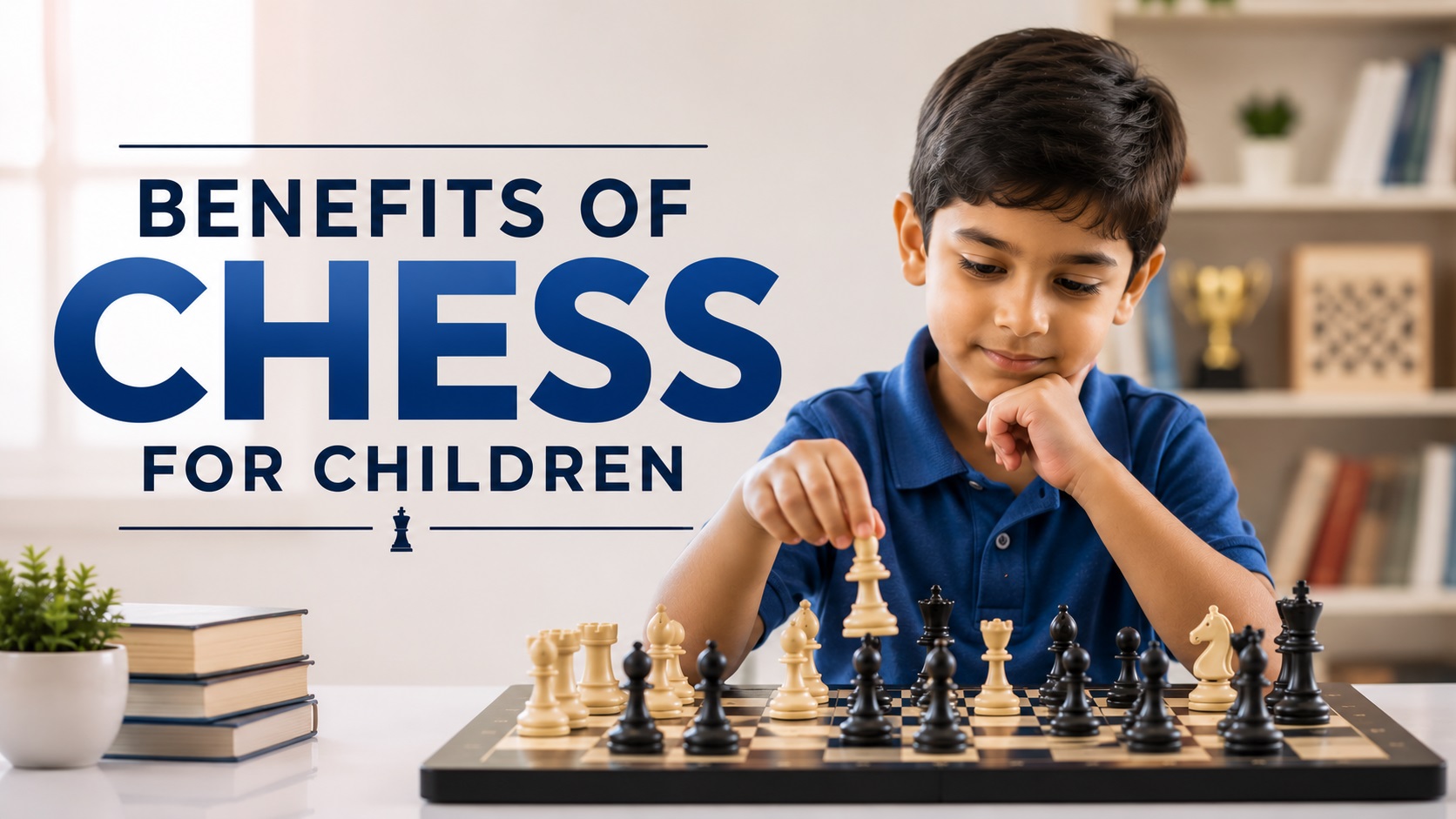
Chess has been enjoyed by millions of people around the world for generations. While it is often seen as a competitive board game, chess also serves as a powerful educational tool that helps children develop valuable skills that extend far beyond the chessboard.
Through regular practice and guided learning, children can strengthen their thinking abilities, improve concentration, and develop important life skills that support their academic and personal growth.
Improves Critical Thinking
Every move in chess requires careful thought and planning. Children learn to evaluate different options, anticipate consequences, and make informed decisions. These skills help develop logical thinking and structured problem-solving abilities.
Enhances Concentration and Focus
Chess encourages children to pay attention to details and remain focused throughout the game. Regular practice can help improve concentration, patience, and the ability to stay engaged with challenging tasks.
Develops Problem-Solving Skills
Each chess position presents unique challenges that require creative solutions. Players learn how to analyze situations, identify opportunities, and find effective ways to overcome obstacles.
Builds Confidence
As children learn new concepts and improve their skills, they gain confidence in their abilities. Successes on the chessboard can encourage a positive mindset and motivate students to take on new challenges.
Encourages Strategic Thinking
Chess teaches children to think ahead and consider long-term plans. Instead of focusing only on immediate results, players learn to develop strategies and adapt as situations change.
Teaches Patience and Discipline
Progress in chess comes through consistent learning and practice. Children discover the importance of patience, perseverance, and disciplined effort while working toward their goals.
Strengthens Decision-Making Skills
Every move matters in chess. Players learn to take responsibility for their decisions and understand that thoughtful choices often lead to better outcomes.
Promotes Creativity
Although chess follows a set of rules, it allows endless possibilities for creative thinking. Children are encouraged to explore new ideas, create unique plans, and approach challenges from different perspectives.
Supports Lifelong Learning
Chess is a game of continuous improvement. There is always something new to learn, whether it is a strategy, tactical idea, or endgame concept. This encourages curiosity and a growth-oriented mindset.
Conclusion
Chess offers numerous benefits that contribute to a child's intellectual, emotional, and personal development. From improving concentration and problem-solving skills to building confidence and strategic thinking, the lessons learned through chess can positively impact many areas of life.
More than just a game, chess provides children with valuable tools that help them learn, grow, and develop skills that will serve them well both inside and outside the classroom.