Learning Through Mistakes
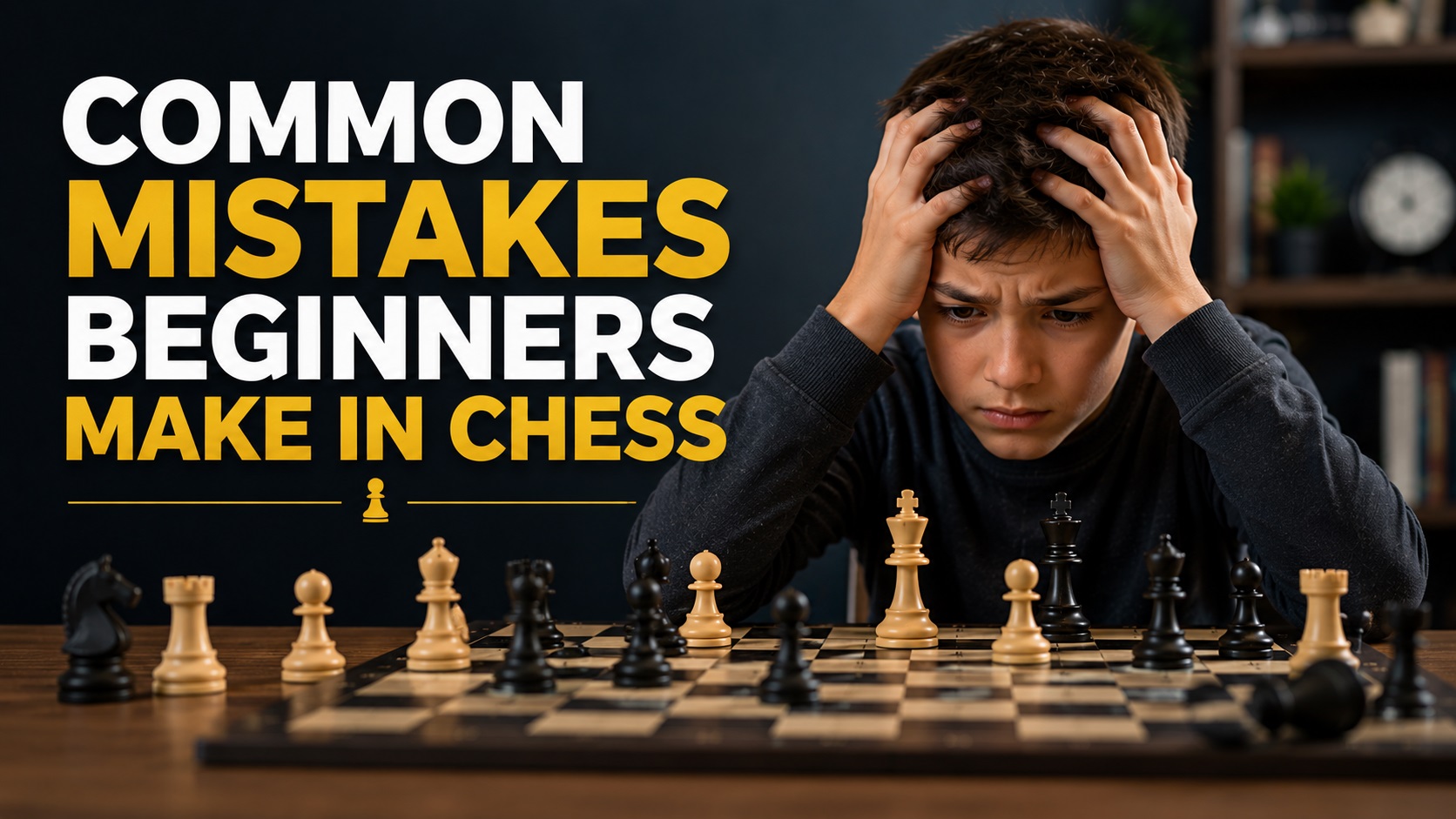
Every chess player makes mistakes, especially in the early stages of learning. In fact, mistakes are one of the most important parts of improvement. By recognizing common beginner errors and understanding how to avoid them, players can develop stronger habits and build a solid foundation for future growth.
While there is no shortcut to becoming a stronger player, avoiding a few common mistakes can lead to immediate improvement.
Moving Too Quickly
One of the most common beginner mistakes is making moves without fully evaluating the position. Excitement, impatience, or overconfidence can lead to simple errors that could have been avoided with a little more thought.
Before making a move, it is important to consider your opponent's threats and evaluate the consequences of your decision.
Ignoring Piece Development
Beginners often move the same piece multiple times while leaving other pieces inactive. This can slow development and make it difficult to coordinate an effective plan.
Developing pieces efficiently during the opening helps create a stronger position and prepares the pieces for future action.
Forgetting King Safety
Many new players focus entirely on attacking without paying attention to the safety of their own king. An exposed king can quickly become vulnerable to threats and tactical opportunities.
Keeping the king safe and ensuring proper protection should always be a priority.
Focusing Only on Attacks
Beginners are often eager to launch attacks as quickly as possible. While attacking can be exciting, successful chess also requires solid defense and careful planning.
Strong players balance both attacking and defensive responsibilities throughout the game.
Leaving Pieces Unprotected
A common mistake is overlooking whether a piece is defended. Unprotected pieces can become easy targets and may be lost without compensation.
Developing the habit of checking piece safety before every move can prevent many unnecessary losses.
Missing Opponent Threats
Many beginners focus only on their own ideas and forget to consider what their opponent is planning. Chess is a game of interaction, and every move creates new possibilities for both players.
Before making a move, it is helpful to ask: 'What is my opponent threatening?'
Trying to Win Too Quickly
New players sometimes search for immediate checkmates or quick victories. While tactical opportunities do occur, forcing attacks without proper preparation often leads to weaknesses and mistakes.
Patience and gradual improvement usually produce better results than rushing for a quick win.
Not Learning From Games
Improvement does not happen only during play. Reviewing completed games can reveal recurring mistakes and highlight areas for improvement.
Players who regularly analyze their games often progress faster because they learn from their experiences.
Neglecting Basic Endgame Knowledge
Many beginners spend most of their time studying openings and attacks while ignoring endgames. However, many games are decided in the final stages.
Understanding basic endgame principles can help players convert advantages and save difficult positions.
How to Improve
The best way to avoid beginner mistakes is through consistent practice, thoughtful play, and regular learning. Focus on understanding fundamental principles rather than memorizing moves. Take time to review games, identify patterns, and gradually strengthen your decision-making skills.
Remember that every strong chess player once made the same mistakes. Improvement comes from recognizing them, learning from them, and continuing to practice.
Conclusion
Mistakes are a natural part of learning chess, but understanding the most common beginner errors can accelerate improvement. By focusing on careful thinking, king safety, piece development, and learning from past games, new players can build strong foundations and enjoy steady progress.
Chess rewards patience, discipline, and continuous learning. Every mistake is an opportunity to become a stronger player.